This article looks back at events in January 2015.
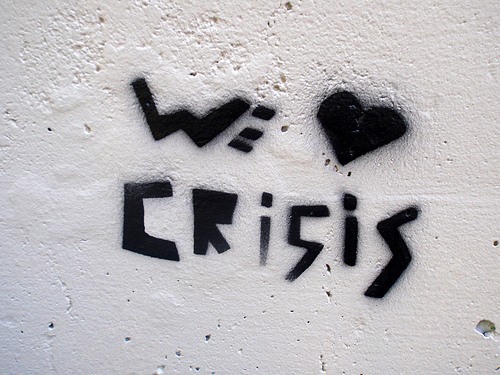
Several Dutch organisations came under intense scrutiny during the week this article was written. Positive coverage for a client is always rewarding; the Windows 10 introduction and Microsoft’s HoloLens announcement had provided an example the previous week. Yet a crisis presents a particularly demanding professional challenge for a PR team.
Advising on a response, preventing misunderstandings and helping an organisation communicate clearly become immediate priorities. The communications teams at KLM, Ordina, the KNVB and NOS all faced very different situations that week. Many people would not have wanted to be in their position. From a professional point of view, I found the challenge compelling.
KLM: uncertainty takes over the story
The discussion around KLM involved concerns about control within the Air France-KLM group and strong feelings about a well-known Dutch brand. Media coverage described a simmering power struggle, while the involvement of politicians and unions added further dimensions.
For a communications team, the difficulty in such a situation is that uncertainty and rumour can become the story. Different audiences interpret developments through their own concerns, making a clear and consistent explanation particularly important.
Ordina: publishing the findings
Ordina released the results of its own investigation into irregularities surrounding IT procurement by government bodies before a scheduled television report by Zembla.
From a PR perspective, I considered that a sensible decision. Media attention was likely to follow in any case. Publishing the findings gave the company an opportunity to explain what it had established and to address the issue directly, rather than responding only after others had framed the story.
The KNVB: owned content and access for journalists
The Dutch football association faced criticism from the Dutch Society of Editors over access to interviews. Journalists wanted to ask their own questions, while the KNVB distributed edited video interviews with chairman Michael van Praag.
The association’s communications explanation was that Van Praag was abroad. Even so, the episode raised an interesting question about using owned content in place of direct contact with journalists.
An organisation’s own video can be useful, but it serves a different purpose from an interview in which a journalist can ask follow-up questions. The example showed why the format and the level of access can become part of the coverage themselves.
NOS: communicating during a disruption
While this article was being written, an intruder entered the NOS building and disrupted broadcasting. Some initial information came through staff members’ social posts, while rival broadcaster RTL helped report what was happening.
The situation illustrated how quickly information can emerge before a formal communications response is in place. It also created an unusual overlap between the organisation affected by the incident and the journalists reporting on it.
Later, a police spokesperson described the event to an NOS reporter who had also witnessed it. The roles of eyewitness, employer, broadcaster and official source were closely intertwined.
Different crises, shared demands
It was an intense week for the teams involved. Each situation required its own response, but all called for clear judgement, coordination and careful communication under pressure.
For a more practical framework, read our five fundamentals of crisis communication and our article on the role of apologies. Media training can also help spokespeople prepare for difficult questions.
Linda
More news ›