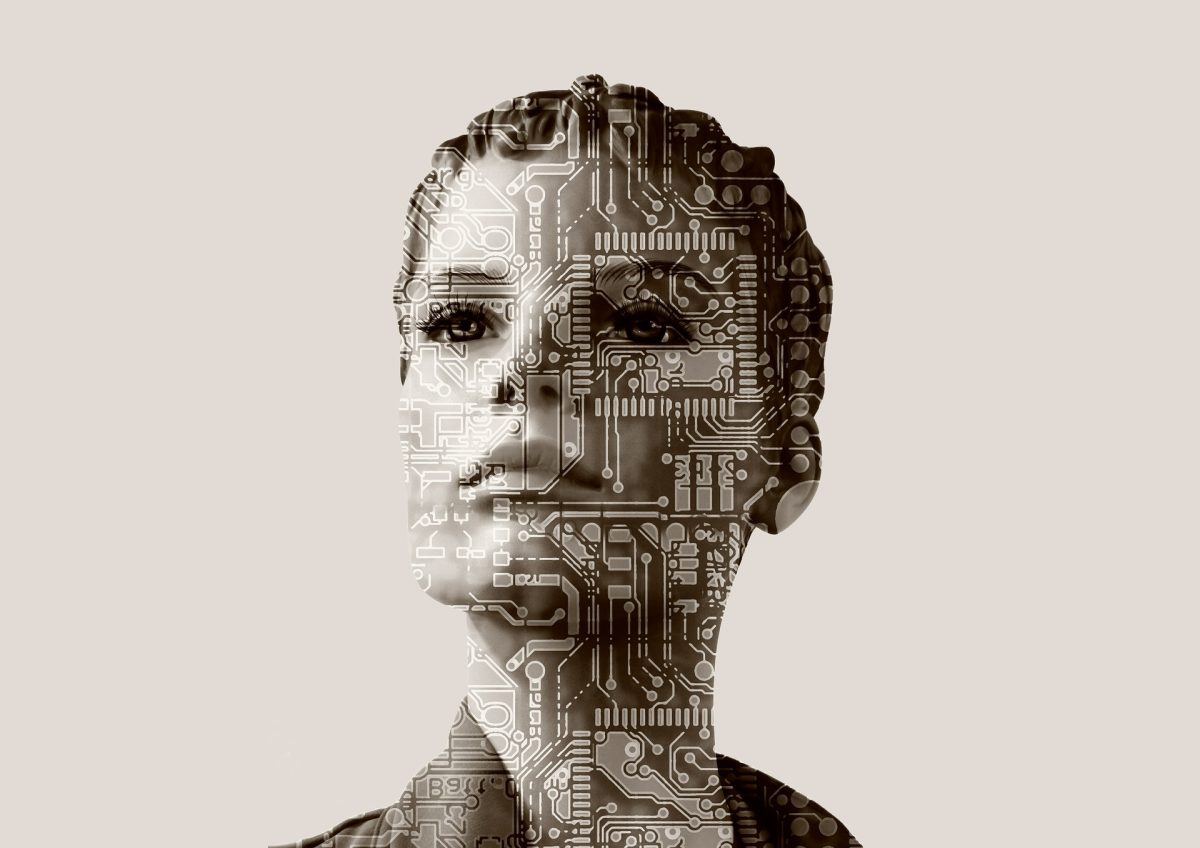
From the archive: our December 2017 perspective on artificial intelligence in PR.
Artificial intelligence, or AI, is being used by more businesses, in more markets, for a growing range of purposes. Examples include chatbots, smart assistants such as Amazon’s Alexa, live translation through Skype Translator and A-commerce, or automated commerce, a personalised form of e-commerce. The PR industry is also making increasing use of AI. But what are the biggest changes it will bring to our profession?
An automated assistant
The first, and perhaps most important, impact of AI on PR is making processes more efficient and faster. Robotic process automation could become a kind of personal assistant for every PR professional. Software can help consultants manage their diaries and schedule appointments, as well as write reports and blog posts. This gives them more time for what really matters: creating news value.
News value
AI can lend a hand here too. Real-time data allows PR professionals to understand their clients’ target audiences in greater depth and align communications with their interests. Less time is wasted on messages that do not fit the audience and consequently generate little reach. In future, agencies could also offer more focused advice in this area.
It is not only audiences that can be understood more precisely. Journalists can also be matched more effectively with clients. Both journalists and agencies benefit when relevant content reaches people who are interested in it, increasing the chance of a worthwhile collaboration.
Real-time data has many other uses. It can help consultants respond to current events and trending topics, making it easier to adapt a client’s content accordingly.
Interested in the possibilities? My colleague Inger previously wrote about real-time data and what you can do with it.
Robot journalism
One emerging newsroom development with potential for PR agencies is robot journalism. At the time of writing, news agency AP and Yahoo! were already using it. Algorithms search for data, gather it rapidly and compare it with historical information and other sources. A computer can therefore produce certain kinds of text, such as financial reports, faster and sometimes better. AI could play a similar role in press releases, reports and perhaps even pitches, although the last of these remains a human task. Pitching depends largely on the connection and relationship between a consultant and a journalist, something a robot cannot reproduce in the same way.
AI is set to become an essential component of PR agencies’ work, but it seems unlikely to take over the profession. The human aspect of public relations, particularly contact with clients, journalists and other stakeholders, remains central to what we do.
At Progress Communications, we follow AI developments closely. Interested in what AI could mean for your business? We would be happy to help. Contact our team in Amsterdam or Antwerp.
Charise
More news ›