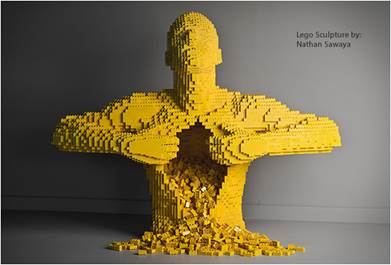
When Brand Finance published its 2015 brand rankings, LEGO’s position among the strongest brands caught my attention. The familiar Danish toy business offered an interesting case for thinking about creativity, relevance and reputation.
This article looks back at that 2015 perspective. It is not a claim about LEGO’s position in a current ranking.
Keep the core of the brand recognisable
LEGO’s story included difficult years as well as successes. The original article considered how a renewed emphasis on building and recognisable product ranges helped the company reconnect with what people valued about it.
For a brand, innovation does not always mean moving away from the core idea. Sometimes the useful question is how to make that idea compelling again.
The building brick remained familiar, while the worlds people could create with it continued to change. That combination gave the company room to develop without making its identity unrecognisable.
Use partnerships to create new possibilities
Licensed themes such as LEGO Star Wars connected the building experience with stories that already mattered to audiences. They offered another reason to explore the product while retaining the act of building at its centre.
The original article also discussed LEGO Friends, launched in 2012 following research into children’s play. The broader communications lesson was to understand an audience rather than assume that one existing approach would appeal to everyone.
Research and creative development can help a brand find new ways to express its strengths. The challenge is to make those choices feel connected to the brand instead of treating every popular theme as an opportunity to copy.
Partnerships also affect reputation
Not every association produces a positive response. In 2014, Greenpeace challenged LEGO’s relationship with Shell through a widely discussed campaign film.
The dispute illustrated how a partner’s activities can become part of the conversation about your own brand. It is not enough to consider the immediate promotional opportunity; audiences may also judge the wider connection.
For PR teams, that makes partnerships a subject for careful thought. What does the association communicate? Does it fit the values people connect with the brand? How would the organisation explain its decision if challenged?
Make the brand part of a story
The LEGO Movie, released in 2014, offered a very different example of creative communication. It brought the product’s world into a film that people could enjoy as entertainment.
That was more than displaying a logo. The story drew on the possibilities of building, imagination and play. It showed how a brand’s familiar qualities could become the basis of a new experience.
Creativity matters beyond consumer brands
My conclusion in 2015 was that many organisations could learn from this combination of recognisable values and fresh expression. A brand needs to remain relevant while giving people new reasons to pay attention.
That applies to B2B communication too. Telling a company’s story once is one challenge; keeping it meaningful for different audiences over time requires creativity.
A good content approach begins with substance and finds ways to express it clearly. If you would like a different perspective on your own story, talk to Progress Communications.
Inger
More news ›