We millennials have been in the news again. The generation that grew up in the 1980s and 1990s seems to be business’s holy grail. Find the key to our world with one hand, and the other can supposedly reach straight into our wallets. At least, that is the impression given by many marketing commentaries.
It now appears that millennials are not so unusual after all. When it comes to major life choices, this generation often wants familiar forms of security: a permanent job, a home of their own, a car and, eventually, children.
As both a PR consultant and a millennial, I am not surprised. Economic uncertainty increases the desire for security. When opportunities become tangible, you take them before they disappear. That is especially understandable when economists such as Robert Gordon paint a less-than-bright picture of the future. He has been criticised, including by me, for lacking imagination and technological understanding. Even so, it adds another concern for a generation told it will never be as well off as the one before it.
Cheesecake and spelt muffins
Choosing security does not mean simply copying our parents. They went to the bakery for bread and, occasionally, a cake. Millennials in large cities visit for cheesecake and spelt muffins, accompanied by fair-trade coffee with an Italian name served by a barista.
In my city, Amsterdam, Bakken met Passie is a good example. It is a local business run by a small-business entrepreneur with several locations around the city: a fresh take on the traditional bakeries Amsterdam has known for decades. The same applies to a bicycle shop that broadcasts every cycling race, major or minor, and serves a pleasant drink alongside it.
As a communications professional, this makes me happy. It reveals an underappreciated strength of small businesses: creativity, local relevance and adaptability. Multinationals find that almost impossible to match. Small-business owners are so close to millennials that they naturally reflect their distinctive offline lifestyles.
“We do it better than that person”
As a PR agency, we increasingly meet small-business owners who take a different approach. They read the newspaper and think: “I tried that years ago. It did not work, and now I do it much better than the person in this article.”
Those conversations usually begin with an explanation of how communication works. Doing something better than someone else does not automatically get you into the newspaper. In most cases, that alone is not enough of a story for the media or their audience. You need to build a story, substantiate it and support it with action. Entrepreneurs are generally happy to do that, which makes working with them fascinating.
They know their strengths and why customers come to them. Together, we also identify qualities that make them special but that they may not have considered. There is often a golden opportunity hidden there, and discovering it demonstrates the value of a good PR agency.
The best collaboration produces the best results
When a small business and its agency work well together, creative ideas and stories emerge that larger companies may struggle to achieve. Communicating these stories consistently often generates greater media interest.
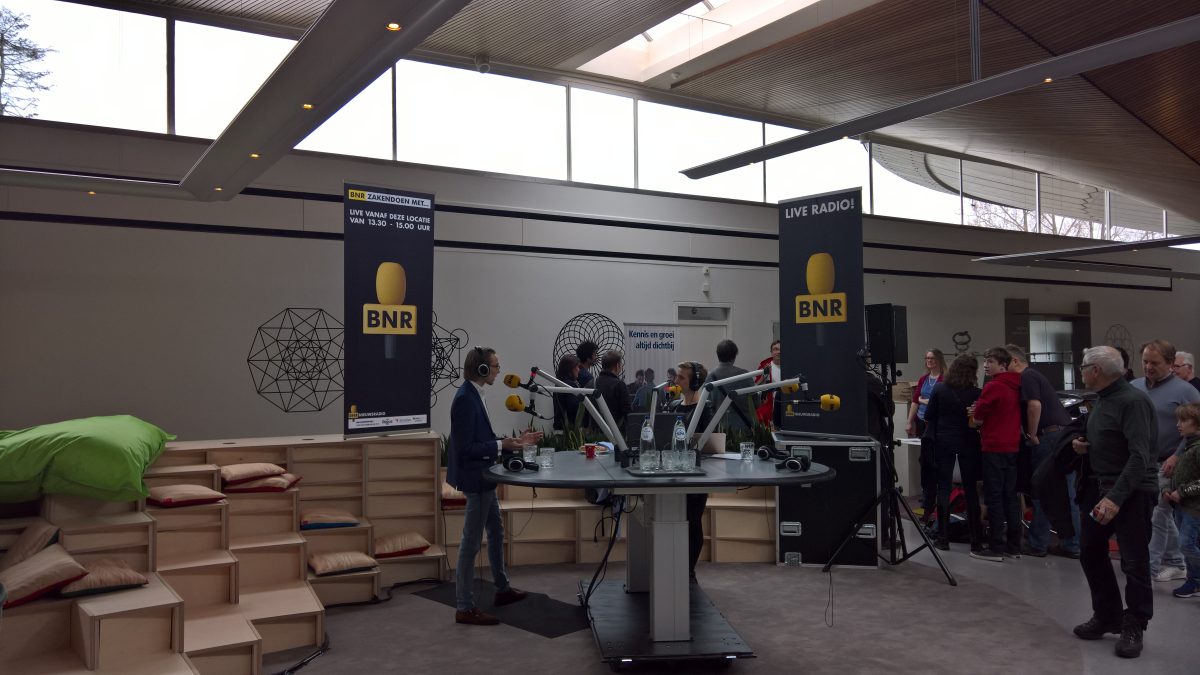
One small-business story we are proud of is our client Happy Idiots, an online marketing agency from Eindhoven. Following our pitch, based on earlier written interviews, its director was invited onto a live BNR Zakendoen Met radio programme. He explained how the company’s independent approach to entrepreneurship helps address a shortage of qualified staff and how it intends to expand abroad with the same conviction. I would happily call that organisation a real hero for millennials.
By Ruud Berendsen
More news ›