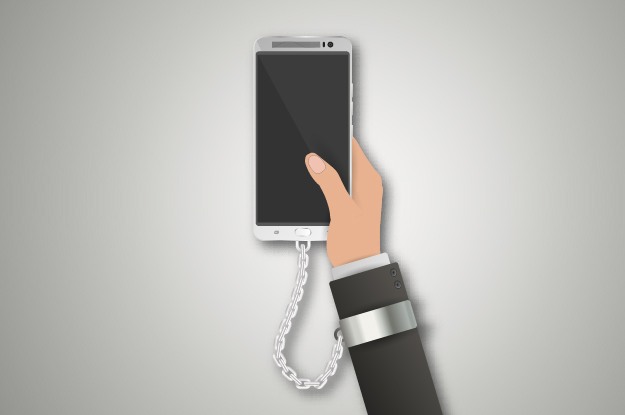
Imagine waking up tomorrow without your smartphone. That would be quite a digital detox. For a PR consultant, it is an indispensable tool. But for the average user, where is the line between necessity and dependence? As a member of Generation Y, I see how fascinated people are by gadgets and clever features. The smartphone, with all its possibilities, is certainly one of them.
If you consider the smartphone a millennial essential, it is natural to ask whether it can be addictive. The media often remind us how dependent we are on technology. Yet the findings of my dissertation suggested that most millennials in my research were not dependent to the point that it disrupted everyday life.
The smartphone is primarily a device for maintaining social connections, while its many functions also contribute strongly to its popularity. Growing use of social apps does not automatically mean addiction.
Relevance matters more than hype
Although the media regularly suggest that people are obsessed with gadgets, we should treat that picture with some caution. Manufacturers cannot simply ride a trend and assume consumers will become attached to their products. A product needs meaningful added value to succeed; otherwise, the media will not cover it and consumers will not embrace it.
That is why Progress Communications tells the story behind the product. Input from the client is essential. We demonstrate relevance through a story: smart technology and gadgets presented in a simple, understandable message for the right audience.
More news ›