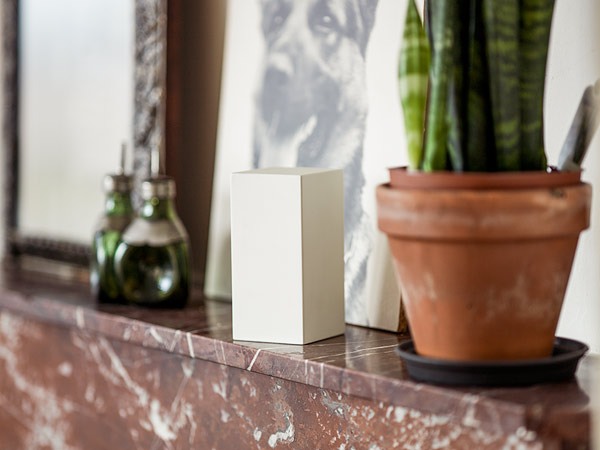
This week I stumbled across nothing. In the end, though, it became something worth talking about. The subject was Nothing, quite literally: a small wooden block about the size of a smartphone.
Without its story, I might have walked straight past it at a market. Designer Pim de Graaff gave it a different meaning. The message was to appreciate what you already have rather than keep looking for another possession.
In this 2015 article, that contrast caught my attention. An object that seemed to offer nothing had a story strong enough to make me stop and think.
A simple object with a clear idea
The project was an example of digital storytelling. Nothing represented a reflection on materialism: many of us already have more than we need, while other people live in poverty.
As described in the original project, proceeds supported Oxfam. That connection strengthened the contrast between the small design object and the broader message.
The concept also understood the appeal of something attractive and tangible. People enjoy design, experiences and ideas that give them a feeling. Nothing combined a minimal physical object with a reason to care about it.
Different channels, different roles
The project used a website and social platforms including Twitter, Facebook, Instagram and Pinterest. Each offered a different way into the idea.
The website introduced the concept and invited curiosity. Facebook and Instagram shared updates about the amount raised. Pinterest provided a place for people interested in the design and its visual world.
The channels supported one story without all needing to do exactly the same job. That is a useful principle for social media communication: decide what each channel contributes to the experience.
Start with the central message
I like storytelling, and Nothing made its value unusually visible. The physical product was simple; the meaning around it made it memorable.
At Progress Communications, we start by looking for the central message of a product, brand or organisation. Our task is to turn that core into something people can understand and relate to.
Then we consider the setting. What is happening in the media? Which subjects are on editorial calendars? What is the audience discussing online? Timing and context help a story find its place.
A small object can carry a big story
The same process can apply to a new product or to a brand that feels it has told its story many times already. The challenge is to find a relevant perspective without inventing a significance that is not there.
Sometimes the useful idea is smaller and clearer than the organisation expects. Nothing was a reminder that the size or complexity of a product does not determine how interesting its story can be.
To explore the story at the heart of your brand, find out more about our content creation or contact our team.
Beau
More news ›