Last week I visited gamescom in Cologne. If that means nothing to you, and your first reaction is not “How amazing was it, Ruud?!”, let me explain what you missed. Gamescom is the trade and consumer fair for the gaming industry. Games share the stage with all the essential and decidedly non-essential hardware that goes with them at this five-day mega-event. And mega it certainly is. Just look at the figures:
- 345,000 visitors from 96 countries, including 33,200 trade visitors;
- 806 exhibiting companies from 45 countries;
- Almost 6,000 journalists from 58 countries.
For anyone who plays even a few games, as I do, it is an overwhelming experience that cannot fail to make you happy. Besides the ease of making business contacts, your pulse quickens at the visitors’ enthusiasm and the impressive way game and hardware developers present themselves. Everything revolves around the experience. And that sets a high bar. The average gamer is not easily impressed; they have seen plenty already. It becomes a literal battle between the analogue and digital worlds, and a fascinating one at that.
Xbox
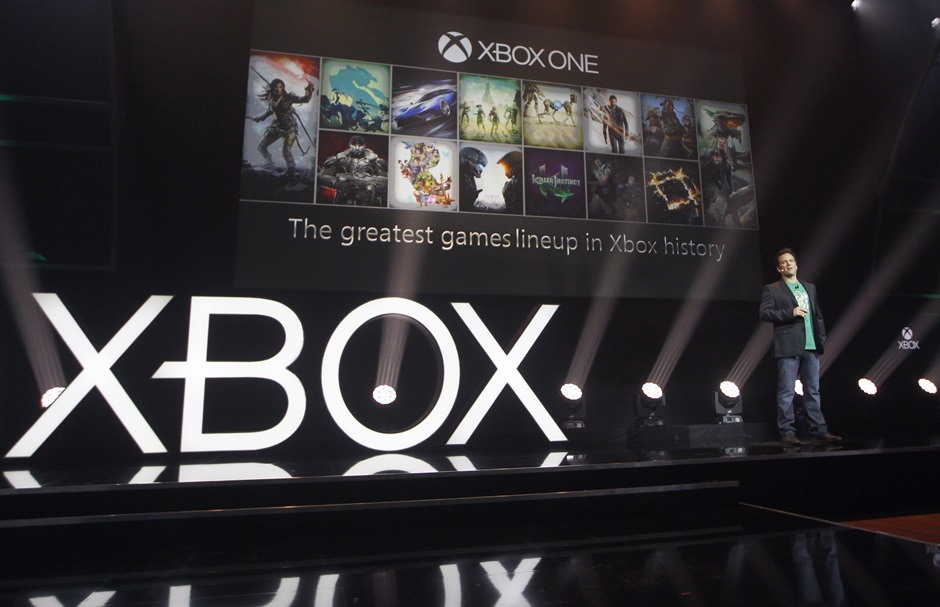
The day before the fair, our client Microsoft and its gaming jewel Xbox held an impressive press conference in the city centre. We watched more than five hundred journalists and Xbox fans arrive full of anticipation. There was the kind of pleasant tension you normally feel only at the Dutch Cup final or during the closing act at Pinkpop. The sound and video effects filling the venue would have put an IMAX cinema to shame. The audience welcomed the speakers with a heroes’ ovation. During a spectacular ninety-minute show, visitors were treated to announcements of new games, new gameplay footage from previously announced titles, and Xbox hardware news.
Talking big
Microsoft presented it as its best games line-up ever. With the gaming battle against its competitors intensifying ahead of the festive season, that sounds like a bold claim. Yet this kind of confident talk is a perfect fit for the audience. Beyond the fact that the media generally praised the line-up and named Xbox the “winner”, it is the dedicated fans who appreciate it most. They need to stay happy. Disappoint them, and a game developer faces a storm of criticism that would make the Dutch national football coach weep. In public relations, gaming is a discipline of its own, one that largely defies traditional approaches. I would be happy to tell you more about that when you have time. For now, let me answer another question: what can technology and IT PR learn from the gaming industry?
Creating communication opportunities
The main lesson, in my view, is to spread your story over time, creating several opportunities to communicate around the launch of a single product or service. That is nothing new, but the gaming industry has turned it into an art. Some games are announced two years in advance, building anticipation to a level fans can hardly bear. Along the way, there are numerous events and trade fairs where exclusive first looks are shared. The first hardcore gamers have often already had a chance to play and offer their criticism. Only then does beta testing begin. A larger group of fans can try the game and give their opinions. After another six months of fine-tuning comes the big launch, just before the festive season, or the following spring if things run late.
Storytelling
In other words, if you know you are developing a product or service with a strong chance of success, do not wait until launch to talk about it. Start building the story earlier. It is a missed opportunity not to involve your audience and the media in development at an earlier stage. Announce your plans and give early adopters, followers and insiders something to engage with before you step onto the main stage. See how they respond and involve them as the product grows. Offer glimpses behind the scenes, with a generous helping of exclusivity, and remain open to feedback.
You do not have to be a rock star or a game developer to do this. Every product and service has potential ambassadors; you simply need to know how to activate them. Or bring in a PR agency such as Progress Communications to help you reach the next level. We know from experience how these dynamics work and how they can work for you. It is not an easy game. You have to invest plenty of hours before you become the final boss yourself.
Game on.
More news ›