“In five years, ninety per cent of all jobs will have an IT component,” said Microsoft Netherlands CEO Edwin Hageman in Emerce 100. Crane operators will control their cranes remotely from the ground, nurses will use the Internet of Things to predict the progress of babies in incubators, and chefs’ ovens will preheat automatically based on a recipe. Those are just a few examples.
Existing roles are changing, but new jobs are emerging too. How about “smart machine architects”, “digital ethics advocates” or “workplace ethnographers”? These roles require new knowledge and abilities, often called twenty-first-century skills. Alongside technical skills such as coding, they include social skills such as digital collaboration and creativity.
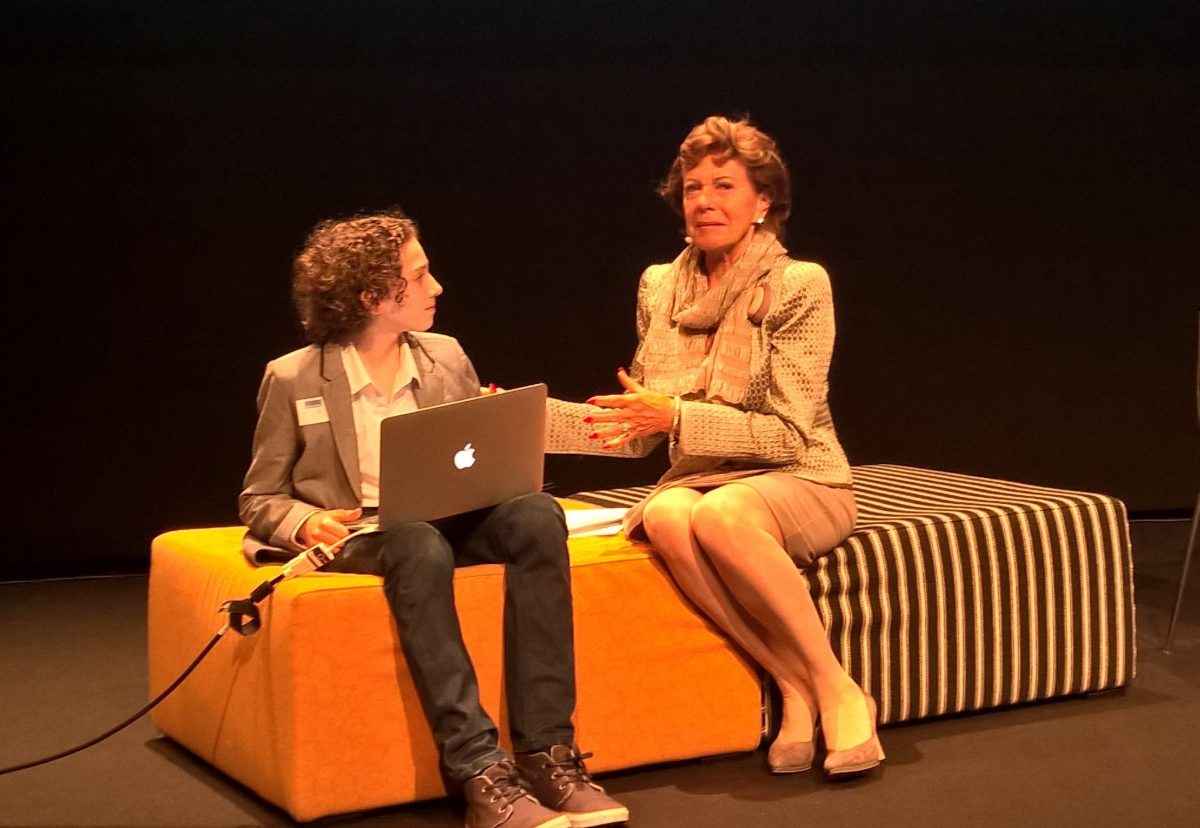
Various organisations have joined forces to start with tomorrow’s workforce today: primary school children. Last week, I represented Progress at the signing of the Codepact manifesto, led by Neelie Kroes. It was a special opportunity to meet this influential woman from Startup Delta, who advocates both starting younger and bringing more women into IT. Signatories included public organisations such as the Ministry of Education, Culture and Science, ECP, Inspiring Fifty, VHTO and the industry association Nederland ICT, as well as companies including our client Microsoft, Malmberg, Oracle, IBM, Google, Randstad, Deloitte and Q42.
This week, I also attended TechDays on behalf of Microsoft, a two-day event for IT professionals and developers. The profession is evolving rapidly, and events like this offer opportunities to learn and find inspiration. Tomorrow’s IT professionals will need to respond quickly to technological change and their organisations’ needs, and become pragmatists.
I attended a session about developing apps. Online tools such as TouchDevelop allow anyone, yes, anyone, to learn programming. The service is free, and I have already tried it myself. I can make a simple game; if I keep learning, perhaps I will one day develop a useful app for the PR industry.
We already see technology’s influence on our profession, from the monitoring tools we use to smart CRM systems for media relations. Half our employees are now Google Analytics certified, because discoverability and conversion are certainly part of our work. I wonder what a PR consultant’s role will look like in ten years. Will I become a “Technical PR Pragmatist” or a “Data PR Manager”? At Progress Communications, we are already preparing by specialising in technology and IT clients and looking towards the future together.
Linda
More news ›