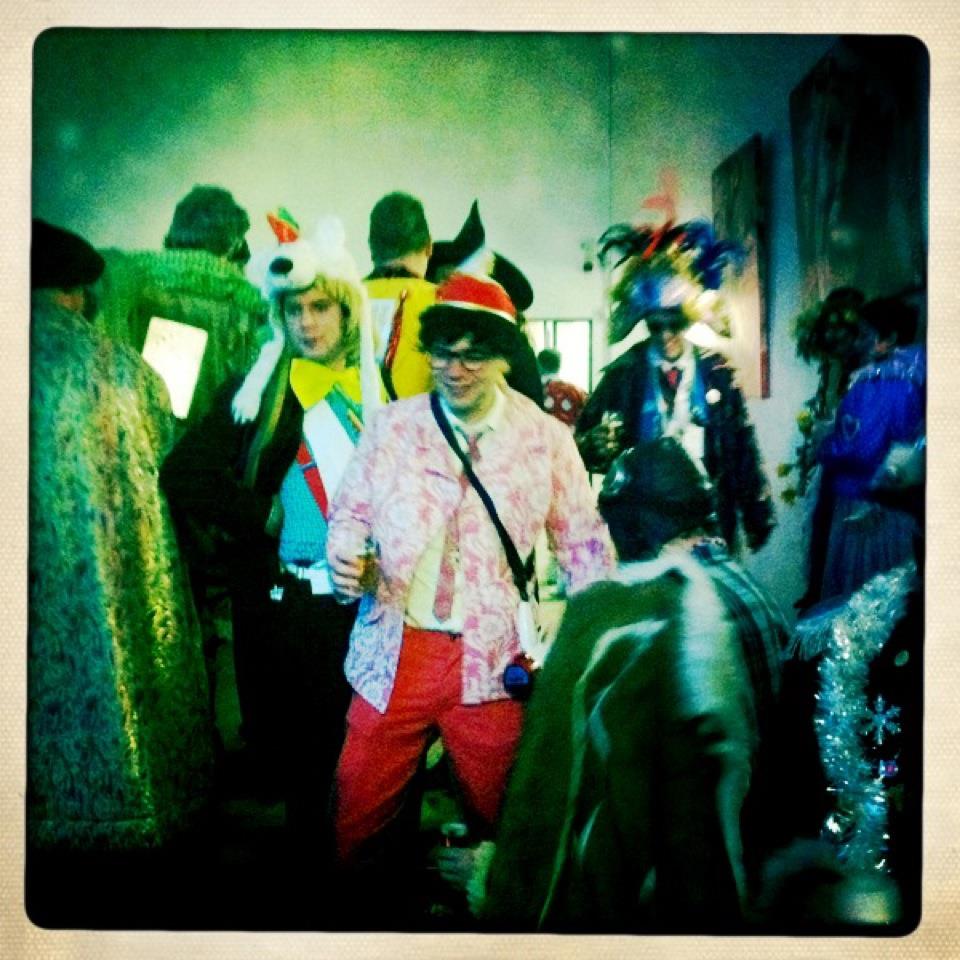
Carnival is almost here. In the Randstad, people sometimes poke fun at this festival, which is particularly popular in the southern Netherlands. That is understandable if you did not grow up with it or simply do not enjoy it. For many people, however, it is a meaningful experience, and that creates serious PR opportunities for businesses of all sizes.
For some of my colleagues at Progress Communications, this is an uncertain, perhaps even uncomfortable time. Every year, when I announce that I will be away for a few days, I see doubt in their eyes: “Really? You?” I do not blame them. It must seem strange if you did not grow up with it, especially if your television encounters with this centuries-old southern festival have not shown it at its most charming.
It is called carnival, or vastelaovend in Limburg, with pronunciation varying as you travel south. To outsiders, it may resemble an elaborate après-ski party. Experienced carnival-goers know better: it is full of traditions, and people look forward to it for months.
Once colleagues recover from their surprise, they usually ask, with the best intentions: “What are you dressing up as?” For a carnival-goer from Limburg like me, that is difficult to answer. This is not just a fancy-dress party; it is serious business. Many people I know spend months preparing, not only building floats and making music, but especially putting their outfits together. Dedicated carnival-goers make or assemble their own clothes rather than buying a ready-made costume from a party shop.
That effort shows how much the celebration matters. It also gives businesses, including technology companies, opportunities to connect with a positive consumer experience. This year, in the run-up to the election, carnival has even entered the political debate. State Secretary Dijkhoff is likely to win sympathy from southern voters after saying the festivities take priority over potential party commitments. Carnival seems well suited to thoughtful public relations.
Local businesses have understood this for years. Carnival offers an ideal opportunity to demonstrate their connection to the community. They sponsor events, appear alongside local artists and Prince Carnival, provide giveaways and advertising during parades, and add decorations to the festive atmosphere.
On a larger scale, Limburg’s breweries have competed for carnival-goers’ loyalty for years. Backed by parent company Heineken, Brand Bier has the largest budget and lends its name to the hugely popular Boètegewoeëne Boètezitting in Venlo, the unofficial opening of the festivities. Broadcast live by the province’s largest television station, the event feels like one big brand experience.
On Tuesday evening, Gulpener takes its turn at the Vastelaoves Finale in Gulpen, Limburg’s unofficial carnival closing event. Lindeboom, Alfa and Hertog Jan also join in locally or through pubs serving their beer, supplying promotional items and decorations. Most carnival-goers welcome this because it credibly combines cultural celebrations with commercial activity by regional businesses.
But what if you have no roots in the community? Can a company from elsewhere in the Netherlands or abroad appropriately join in a festival that is especially popular in North Brabant and Limburg? I am convinced it can. There is, however, one essential rule when joining a polonaise — the traditional line dance: join at the back!
My advice is to keep it simple. Wishing carnival-celebrating regions a happy few days can be enough to create goodwill. It shows that you understand the occasion matters, just as you would acknowledge Easter, Christmas or New Year. Local media and geographically targeted social media are useful channels. News stories supported by relevant research or other content that contributes to the carnival experience can also interest the media because the festival makes them timely. A creative PR agency with clients and colleagues from across the country can help.
Activations are more complicated. Although the festival is about fun, you should avoid making yourself look foolish by forcing a joke. A weak joke can miss the mark badly. Carnival is celebrated differently from region to region, and your assumptions about what is funny may be wrong. So if you are bursting with enthusiasm for an idea to surprise those “crazy southerners”, check it first with the colleague who happens to be away at this time of year.
Happy carnival!
Ruud Berendsen
More news ›