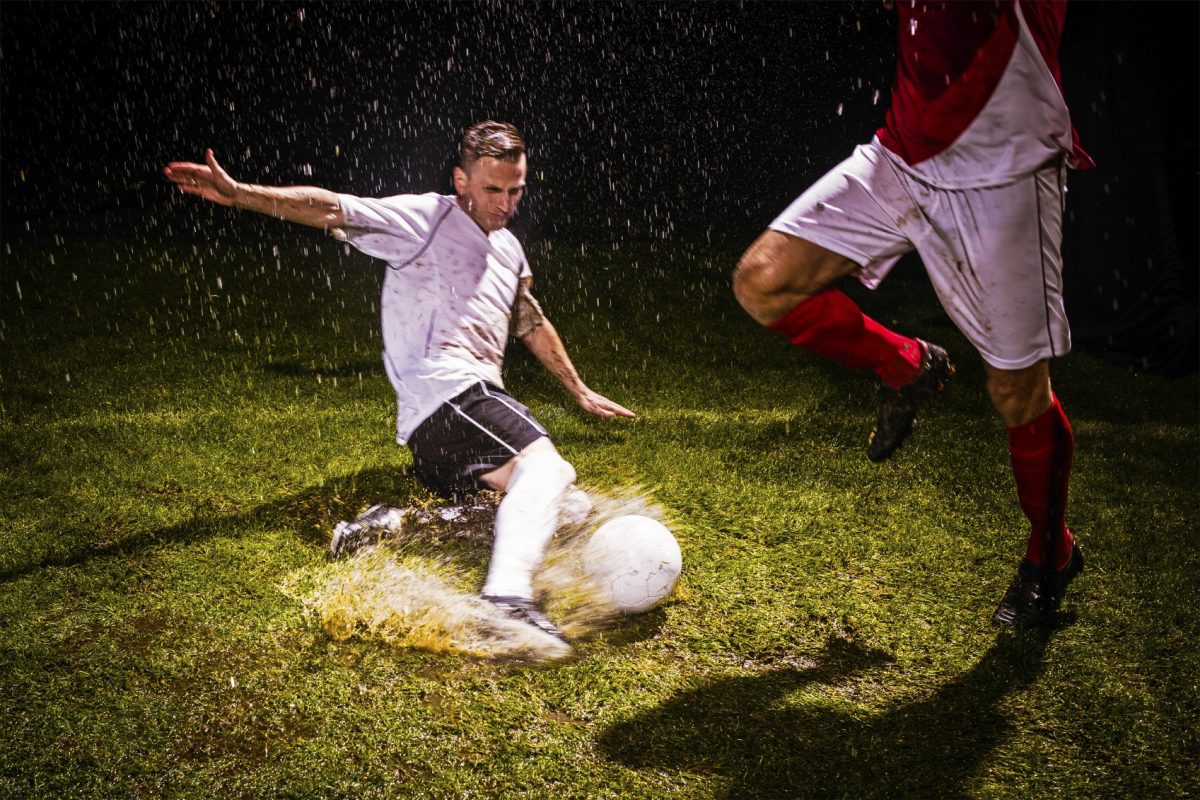
Football and public relations may look like very different worlds. Look more closely, however, and there are useful parallels: handling the media, performing under pressure and working as a team all matter in both.
When this article was written in autumn 2015, we had just delivered an unusually busy period of media training. As companies stepped up their marketing and communications towards the end of the year, these similarities provided a helpful way to think about preparation.
Work as a team with your communications department
In football, scouts, coaches and technical staff do much of the preparation that allows players to perform. A communications team has a comparable role: it helps put the spokesperson in the right position before an interview begins.
Some organisations prefer to handle media contact without involving their corporate communications colleagues. Others make good use of that team’s experience. The latter approach recognises the value of people who understand the media, the intended audience and the company’s messages.
Communications professionals know journalists, understand why an interview has been requested and can help a spokesperson anticipate the questions. Working together creates a stronger foundation for a clear, consistent conversation.
Treat an interview as a major match
Performing at the decisive moment is not always easy. You might feel relaxed about an interview until the camera starts recording or you discover that the conversation with the journalist is harder than expected.
Pressure affects performance. On the pitch, that might mean a mistimed tackle or poor ball control in the opening minutes. In an interview, it might show up as a shaking voice, rushing an answer or saying more than you intended.
Giving an interview therefore deserves practice. Media training creates an opportunity to experience challenging questions, recognise your own reactions and work on keeping your concentration. The aim is to stay composed enough to listen carefully and answer accurately.
Training also helps you focus on what you want to achieve and explain. Just as a footballer practises before a match, a spokesperson can rehearse before the pressure of a real interview.
Remember that interviews can be replayed
Football coverage allows viewers and commentators to revisit a moment, zoom in and analyse what happened. Interviews can also be recorded, reviewed and edited for publication.
A journalist’s recording makes it easier to concentrate on the conversation and write the story afterwards. For a spokesperson, it is a reminder that a remark may be examined more closely than it seemed at the time. You may later find yourself asking, “Did I really say it that way?”
Reviewing an interview as a communications team can be useful. Which messages were clear? What resonated? Where did the answer become difficult to follow? Looking back provides material for better preparation next time and helps identify any questions about how a statement was quoted.
Stay alert throughout the conversation
A half-time discussion can change the direction of a match. In the same way, focused feedback during media training can change how someone approaches an interview.
Pay attention to the conversation rather than concentrating only on the message you planned to deliver. Listen to the question, notice when a journalist needs clarification and take a moment before answering. Be aware, too, of the information you are ready to announce and the timing agreed with your team.
Even experienced professionals can respond unexpectedly under pressure. Preparation, teamwork and practice help turn that pressure into a situation you can manage.
Read also our four reasons to invest in media training. Our Benelux PR team can help prepare your spokespeople for their next media appearance.
Stella
More news ›