Blog
-
A GEO tool measures visibility, not relevanceA green indicator here, an upward trend there. GEO tools show how visible a brand is in ChatGPT, Gemini or Perplexity through slick dashboards filled with scores, percentages and competitor comparisons.Read more ›

-
You can’t build trust with logos aloneIt has never been easier to get your message out there. At the same time, it has never been harder to actually get people to notice it.Read more ›
-
Why positioning is the foundation of effective PRMany organisations use public relations to increase their visibility and communicate their message. They publish articles, participate in podcasts or events, engage with journalists and create other types of shared and owned content. Yet despite these efforts, they often struggle to build a strong and recognisable reputation.Read more ›

-
From pitch to partnership: 5 ways to build strong media relationshipsProactively managing media relationships is one of the core tasks of PR. At the same time, the media landscape is constantly evolving. Newsrooms are inundated daily with phone calls, pitches, press releases, and media alerts, while time and attention are increasingly scarce.Read more ›

-
Crisis Communication: Why It Still Goes Wrong Despite PreparationAlmost every organization believes it is prepared for a crisis. There is a plan in place, roles have been assigned, and scenarios have been mapped out. And yet things still go wrong.Read more ›

-
Those who see thought leadership as awareness miss its commercial impactMany organisations invest in thought leadership to remain visible in the market. Understandable, but too limited. Strong expertise-led content does more than build reputation: it influences how B2B buyers inform themselves, assess risks and compare suppliers.Read more ›

-
The importance of authentic leadership in AI timesIn a world drowning in AI-generated content, your most valuable marcomm asset might not be your product roadmap or performance campaigns. It's your people. Specifically, the ones running the show.Read more ›

-
What GEO actually reveals about contentThe rise of GEO is often framed as a strategic question. But it may be more useful to first take a step back and look at what it actually reveals.Read more ›

-
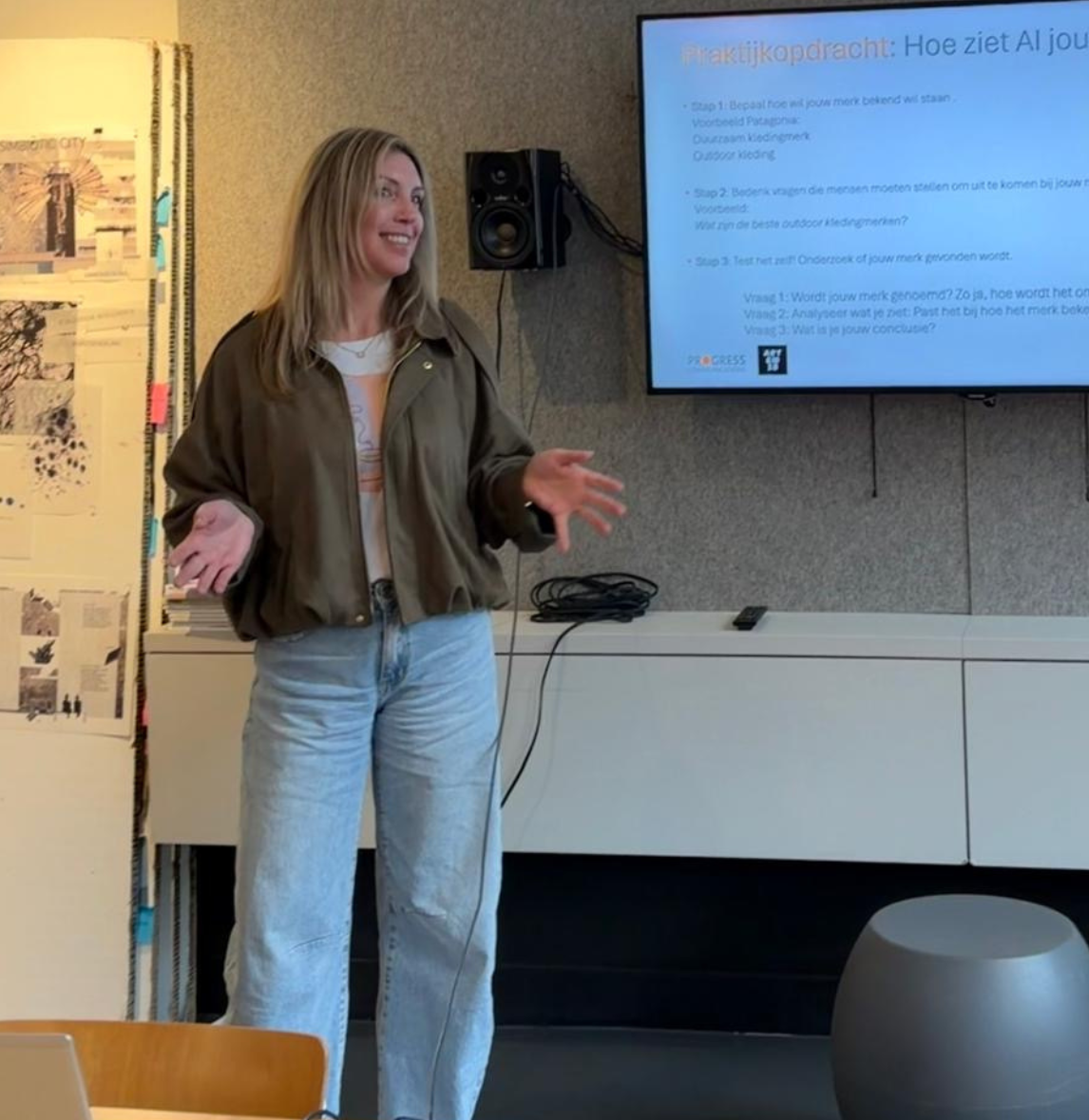
How AI sees your brand: A lecture in PR to Generation-AI“ChatGPT doesn’t see your brand.” Say what? No logo. No campaign. No visual identity. AI doesn’t see your brand, it reads it.Read more ›
-
From publicity to reputation: why consistency matters even more in the age of AIPR is still often associated with visibility and free publicity: the number of publications, interviews, reach metrics, and so on. While these metrics remain useful, they no longer capture the full picture. News is fleeting, information spreads at lightning speed, and algorithms increasingly determine what people see.Read more ›

-
How GEO brings the focus back to contentOne thing I find interesting about the rise of GenAI and GEO is that the conversation is shifting back to something fundamental: the quality of content. What you actually have to say, and whether it’s relevant to the people you’re trying to reach.Read more ›

-
Working with a PR agency for the first timeStarting with PR can feel deceptively simple. You have news to share, you hire an agency, and coverage should follow. But in reality, PR works best when it is treated as a strategic collaboration rather than a transactional service.Read more ›